The Construction Industry Is at a Crossroads
For decades, the construction industry has been notoriously resistant to technological change. While other industries embraced digital transformation, contractors continued relying on spreadsheets, paper forms, and manual processes. But that's changing—fast.
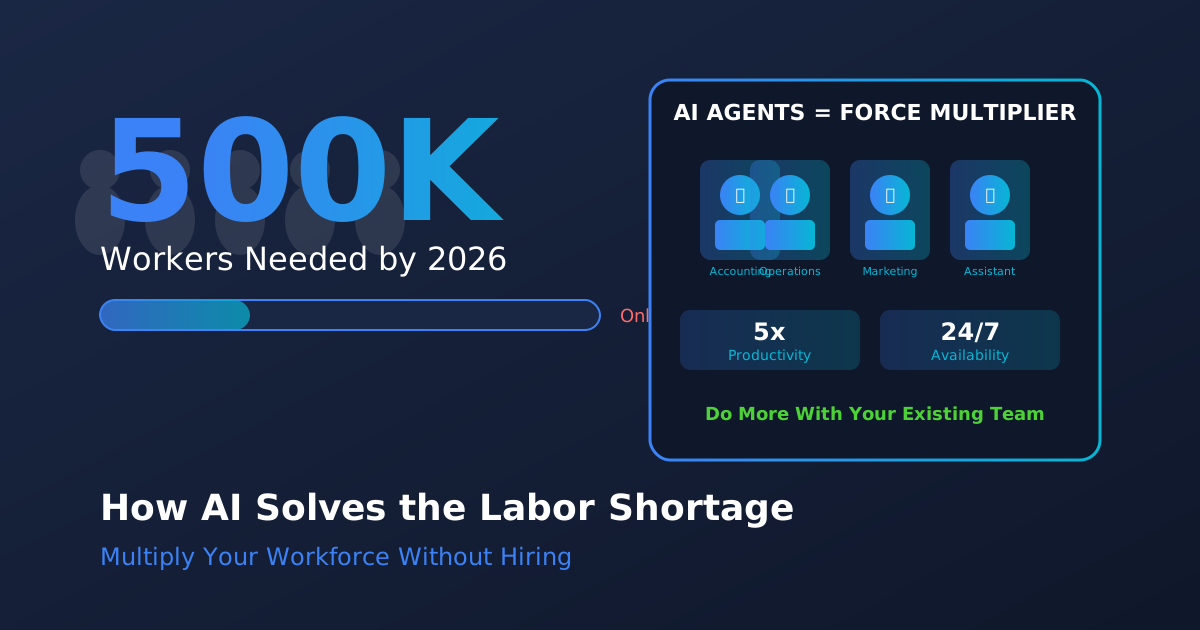
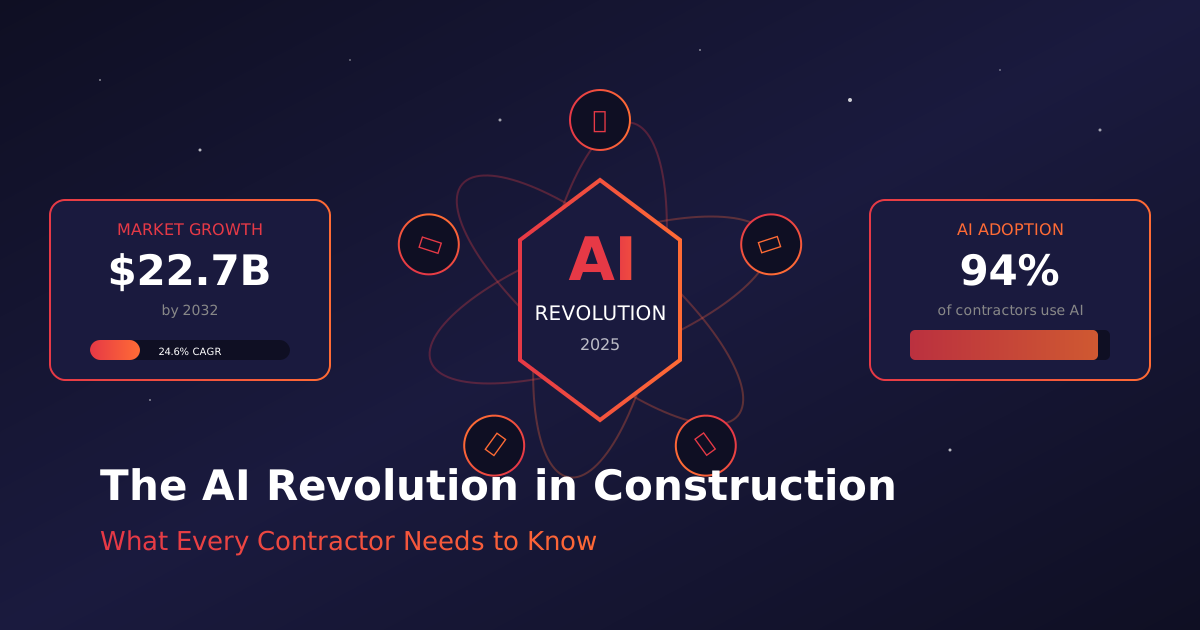
The convergence of labor shortages, rising costs, and breakthrough AI technology has created the perfect storm for change. According to recent industry data, the construction sector needs 499,000 additional workers by 2026 just to meet current demand. Meanwhile, project abandonment rates have increased 88% year-over-year.
Something has to give. And that something is AI adoption.
What AI Actually Means for Construction
When we talk about AI in construction, we're not talking about robots replacing workers on job sites (at least not yet). We're talking about intelligent software that handles the back-office operations that drain your time and money:
1. Automated Accounting and Job Costing
Traditional construction accounting is a nightmare. Tracking costs across multiple projects, managing retainage, handling progress billing—it all requires hours of manual work. AI changes this by:
- Automatically categorizing expenses and allocating labor costs
- Generating AIA-style progress billing documents
- Tracking retainage and sending release notifications
- Processing invoices 75% faster than manual entry
2. Intelligent Operations Management
AI doesn't just automate—it optimizes. Modern AI operations agents can:
- Create weather-aware schedules that automatically adjust for delays
- Predict material needs before you run out on-site
- Optimize crew assignments across multiple projects
- Generate field reports from voice recordings
3. Marketing and Lead Generation
Finding new work is getting harder. AI helps by:
- Monitoring bid boards and alerting you to matching opportunities
- Generating professional proposals in minutes, not hours
- Managing your online reputation across review sites
- Nurturing leads with personalized follow-up sequences
4. Executive Support
Even small contractors need executive-level support. AI assistants can:
- Triage and respond to emails
- Manage calendars and schedule meetings
- Research vendors, regulations, and market data
- Prioritize daily tasks based on deadlines and importance
The Real ROI of AI in Construction
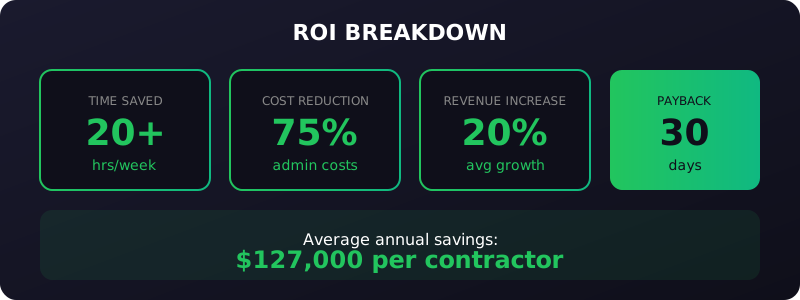
Let's talk numbers. The average contractor using AI automation sees:
- 75% reduction in invoice processing time
- 20+ hours saved per week on administrative tasks
- 80% fewer scheduling conflicts
- 2x more qualified leads in the pipeline
For a mid-sized contractor doing $10M in annual revenue, these improvements translate to roughly $200,000 in annual savings—through time savings, reduced errors, and improved cash flow.
Why Now Is the Time to Act
The contractors who adopt AI now will have a significant competitive advantage. They'll be able to:
- Take on more projects without adding back-office staff
- Win more bids with faster, more professional proposals
- Improve margins by catching costly errors before they happen
- Scale operations without scaling headaches
Those who wait will find themselves competing against AI-powered competitors who can do more, faster, for less.
Getting Started with AI
The good news is that getting started with AI doesn't require a complete business overhaul. Modern AI platforms like Lava Focus AI are designed specifically for construction companies and can be up and running in days, not months.
The key is to start with the pain points that cost you the most time and money. For most contractors, that means:
- Accounting automation - Stop spending 20% of your week on paperwork
- Operations optimization - Eliminate scheduling conflicts and material shortages
- Marketing support - Never miss a bid deadline again
The Bottom Line
AI isn't coming to construction—it's already here. The only question is whether you'll be leading the charge or playing catch-up.
The contractors who thrive in 2025 and beyond will be those who embrace AI as a force multiplier, not a threat. They'll use technology to handle the mundane so they can focus on what they do best: building.
Ready to see what AI can do for your construction business? Book a demo and see the future of construction management in action.